
Drops: Language Learning Games
Drops LanguagesEducation
4.313.77K Reviews
- Version
- 39.18
- Installs
- 10.00M
- Age Rating
- Everyone
Screenshots
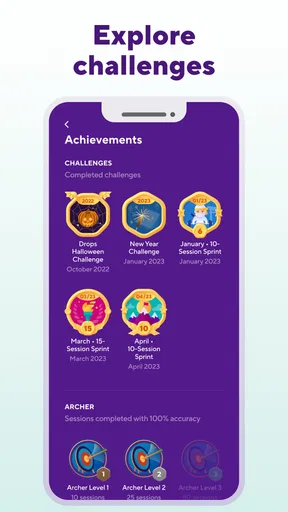
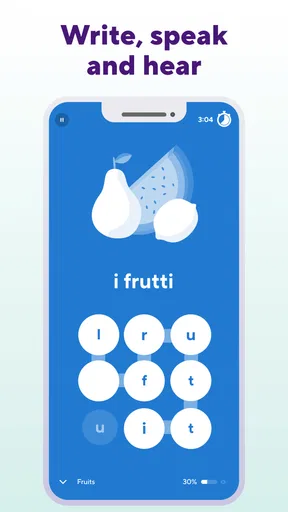
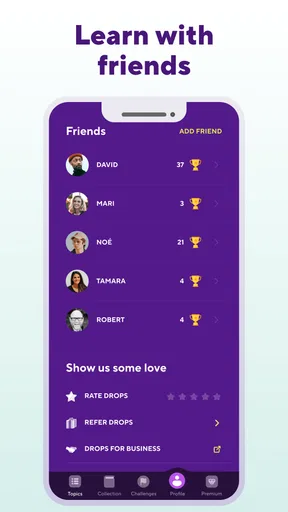
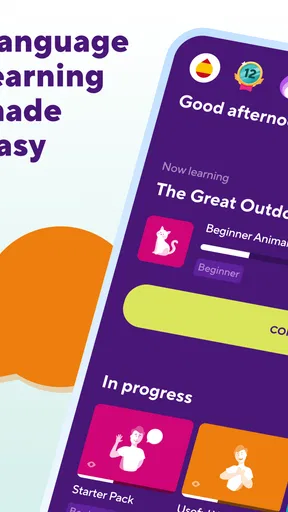
Our Review of Drops: Language Learning Games
 Analysis by Appyee
Hey there, language enthusiasts! If you’re on a quest to broaden your linguistic horizons, you might want to check out Drops: Language Learning Games. This app offers a unique twist on learning new languages by incorporating fun and engaging games. As someone who’s always on the hunt for new ways to pick up a few phrases, I decided to give it a whirl. Here’s what I discovered.
A useful starting point for short study sessions
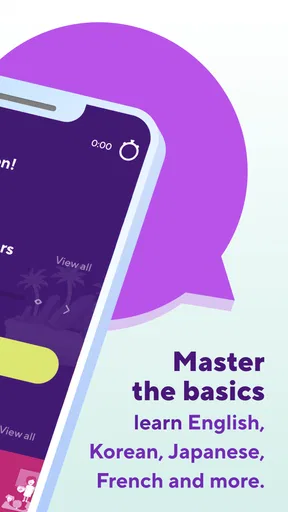
I see Drops as a vocabulary companion rather than a complete language course. That distinction matters before you begin: if your immediate goal is to recognize useful words in Spanish, German, Italian, English, or Japanese, its visual, game-based approach has a clear role. If you need to build sentences, understand grammar, or hold a flowing conversation, you’ll need other kinds of practice alongside it.
It is a free education app from Drops Languages, with a 4.3 average from around 313,000 ratings and more than 10 million installs. It is rated for Everyone, and the current version is 39.3; the app requires Android 8.0 or later. Those details make it easy to assess whether it fits your device and comfort level, but the more important question is whether its short vocabulary sessions suit the way you like to learn.
First Impressions
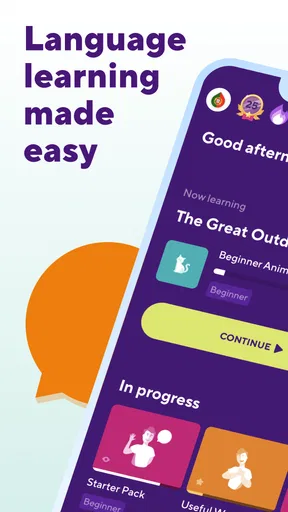
Upon downloading Drops, the first thing that catches your eye is its sleek and vibrant interface. The app’s design is not only appealing but also intuitive, making navigation a breeze. You can tell right away that the developers put a lot of thought into making the user experience seamless. The colors are lively, which adds to the playful nature of the app. It doesn’t feel like you’re diving into a dense textbook but more like you’re embarking on an exciting adventure.
How It Works
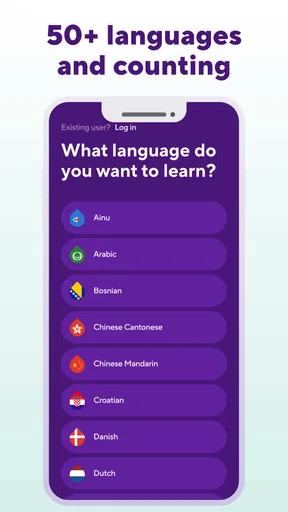
The concept is simple yet effective. You learn by playing quick, interactive games that last about five minutes each. This is perfect for those of us with a packed schedule who might only have snippets of time to spare. You can choose from over 45 languages, which is a pretty impressive selection. Whether you’re interested in brushing up on your Spanish or tackling something more exotic like Hawaiian, Drops has got you covered.
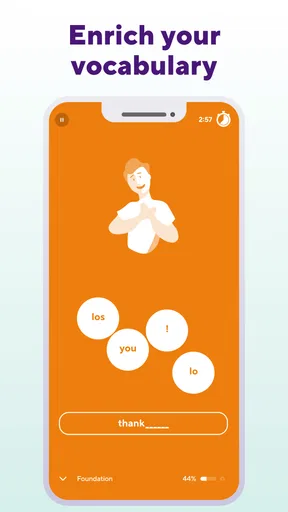
Each session focuses on a specific category, like food or travel, and you’re introduced to new words through engaging visuals and animations. The repetition and context really help the words stick in your memory. What I found particularly cool was the emphasis on vocabulary rather than grammar. For beginners, this can be incredibly helpful as it provides you with the building blocks to start communicating right away.
Making a small session count
A practical way to use the app is to choose a topic that connects with something you will do soon, rather than tapping through unrelated vocabulary. If I were preparing for a trip, I’d focus on words I might encounter while ordering food or finding my way around, then revisit those items before leaving. That gives each visual cue a real-life anchor and makes it easier to notice the word later outside the app.
I’d also keep sessions focused instead of treating a streak as proof of progress. Daily practice can help build a habit, but a streak only tells me that I opened the app; it doesn’t show whether I can recall a word without its picture. After a session, I would pause and try to name a few items from memory, then use them in a simple phrase elsewhere. That little handoff from recognition to recall exposes what still needs work.
The visual format has a useful trade-off: it makes new vocabulary approachable, but pictures can become a crutch. When an illustration instantly gives away the answer, I may feel more confident than I really am. I’d treat successful taps as an early checkpoint, not as evidence that a word is ready for conversation. Saying it aloud and recalling it later without the image are better tests of whether it has stuck.
Features I Loved
One of my favorite features is the app’s focus on visual learning. The minimalist illustrations are not only cute but also incredibly effective at helping you remember the words. Another standout feature is the Spaced Repetition System (SRS), which ensures that you review words at optimal intervals to enhance retention.
The app also includes a section called “Dojo” where you can practice everything you’ve learned and test your knowledge. It’s like having a mini exam, but without the stress. Plus, the app encourages consistency by rewarding you with "Streaks" when you practice daily. It’s a little nudge that keeps you coming back for more.
From app practice to real situations
For example, imagine I have a few minutes while waiting for a bus before meeting a friend who speaks Italian. I could use that brief window to review a food or travel topic, then try to recall the words on the walk over. If one comes up naturally in conversation, great; if not, I still have a concrete set of vocabulary to practice later. The important step is carrying the words out of the game instead of letting the session be the whole learning routine.
That handoff is where a notebook, a conversation partner, or a more structured course can complement Drops. I might write down a handful of words I repeatedly miss, then make simple sentences with them using another resource. For pronunciation and listening, I’d seek practice that makes me hear language in connected speech. Drops can help supply vocabulary for that work, but isolated word recognition is not the same as understanding someone speaking at normal speed.
This division of labor is why I’d recommend it most to beginners, casual learners, and people returning to a language who want a low-pressure way to rebuild everyday vocabulary. It can also suit a busy learner who finds a long lesson hard to start. Someone studying for an exam, preparing for a job interview in another language, or aiming to speak fluently should not rely on it as the main tool; a course with explicit grammar, reading, listening, and speaking practice would be a better fit.
Room for Improvement
While Drops is fantastic for vocabulary building, it doesn’t dive deep into sentence structure or conversational skills. This means it’s best used as a supplement rather than a standalone tool. If you’re looking to become fluent or want to work on your grammar, you might need to pair it with more comprehensive resources.
Another thing to note is that the free version limits you to just five minutes of learning per day. If you’re serious about accelerating your learning, you might want to consider upgrading to a premium plan for unlimited access.
Choosing it alongside other learning methods
Compared with a textbook, Drops feels lighter and more inviting when I have only a short break; a textbook is usually better when I want explanations, worked examples, and a clear path through grammar. Compared with a flashcard deck, the illustrated games add a more playful visual prompt, while a deck can be more flexible if I want to create my own cards or drill a narrow set of terms. Neither alternative automatically gives me speaking practice, so I would still make room for listening and conversation if those are my goals.
There is also a practical question about how much time the free experience gives you. The app is free to download, while in-app purchases range from $0.99 to $269.99 per item. I’d first try the available routine and decide whether the short daily window actually fits my habits before considering a purchase. A paid option only makes sense if I already know I will use the extra access; it cannot replace the sentence-building and conversation work the app is not designed to provide.
If you are choosing a language, think about what you want to do with it before committing to a daily routine. A learner who wants travel vocabulary may get quick value from themed words, while someone who needs to read literature or follow workplace meetings will need a broader plan from the outset. The app’s selection includes several widely studied languages, but the best choice is still the one you can connect to a real goal and practice beyond the screen.
One other point I’d keep in mind is that short sessions are easy to fit in but can make learning feel fragmented. If I miss a day, I would simply return to the words I care about rather than trying to compensate with a long burst. And if I notice that I recognize a term only when its illustration appears, I’d stop advancing for a moment and test recall in another context. That approach keeps the playful pace useful instead of letting speed become the only measure of progress.
Final Thoughts
Overall, Drops: Language Learning Games is a delightful and effective way to expand your vocabulary in a new language. Its game-like approach makes learning less of a chore and more of a fun break in your day. While it might not replace a full-fledged language course, it’s a fantastic tool for anyone looking to get started or to supplement their current studies.
So, if you’re ready to spice up your language learning journey, give Drops a try. It might just be the playful push you need to finally tackle that language you’ve always wanted to learn. Happy learning!
Verdict
Strengths of Drops: Language Learning Games
- Engaging gamified learning experience.
- Wide range of languages available.
- Crisp and colorful interface.
- Short, focused learning sessions.
- Offline mode for learning on-the-go.
Limitations of Drops: Language Learning Games
- Limited free content availability.
- Requires consistent internet for updates.
- No grammar-focused lessons.
- Subscription can be pricey.
- Voice recognition can be inconsistent.
Similar Picks in This Category
View All
Duolingo: Language Lessons
Duolingo4.7

Google Classroom
Google LLC2.8

Unacademy: Learn & Crack Exams
Unacademy3.2

Bible App for Kids
Life.Church4.4

Cake - Learn English & Korean
Cake Corp.4.7

Brainly: AI Homework Helper
Brainly4.5
Frequently Asked Questions
What languages can I learn with Drops?
Drops offers a wide variety of languages to learn, including popular ones like Spanish, French, and German, as well as lesser-known languages like Maori, Icelandic, and Esperanto. The app provides over 40 languages, allowing users to explore and learn new languages at their own pace with engaging visuals and exercises.
How does Drops make language learning engaging?
Drops uses a gamified approach to language learning, incorporating visually appealing graphics and quick, interactive exercises. Each session is limited to five minutes, which helps maintain focus and motivation. The app’s design emphasizes fun and engagement, making it easier for users to retain vocabulary and enjoy the learning process.
Is Drops suitable for beginners?
Yes, Drops is designed to cater to learners at all levels, including beginners. The app starts with basic vocabulary and gradually introduces more complex words and phrases. Its intuitive design and step-by-step progression make it an excellent choice for those just starting their language learning journey.
Does Drops require an internet connection?
Drops requires an internet connection to download and update language packs. However, once a language pack is downloaded, users can access most of the lessons offline. This flexibility allows learners to practice their language skills anytime and anywhere, without relying on continuous internet access.
Are there any in-app purchases in Drops?
While Drops offers a free version with limited daily sessions, it also provides a premium subscription for users who want unlimited access. The premium version includes additional features like offline access, faster progress, and no ads. Users can choose a subscription plan that fits their learning needs and preferences.
